Financial control and strategy
Someone senior owns the money, so you always know where you stand.
- Budget
- Forecast
- Ownership of the numbers
- Financial control
- Investor relations
Two ways to work with Hayat · 01
Fractional CFO and Chief Strategy Officer. Someone senior owns the money, the reporting, the raise and the growth plan, the way a full time hire would, at a fraction of the cost, with AI running the repetitive work underneath.
Someone senior owns the money, so you always know where you stand.
The numbers live on a screen, today, not three weeks after month end.
The round run end to end, from the first model to money in the bank.
Everything that makes the company worth more when someone comes to buy it.
Cake Technologies, sold to American Express
Hayat ran finance at Cake from the early stage and modelled the economics of a real payment product: the transaction flows, the processing cost and the price of the credit currency itself. When American Express came to the table he led diligence and sat in the negotiation, and the IP and data were priced separately rather than given away inside a revenue multiple.
The full story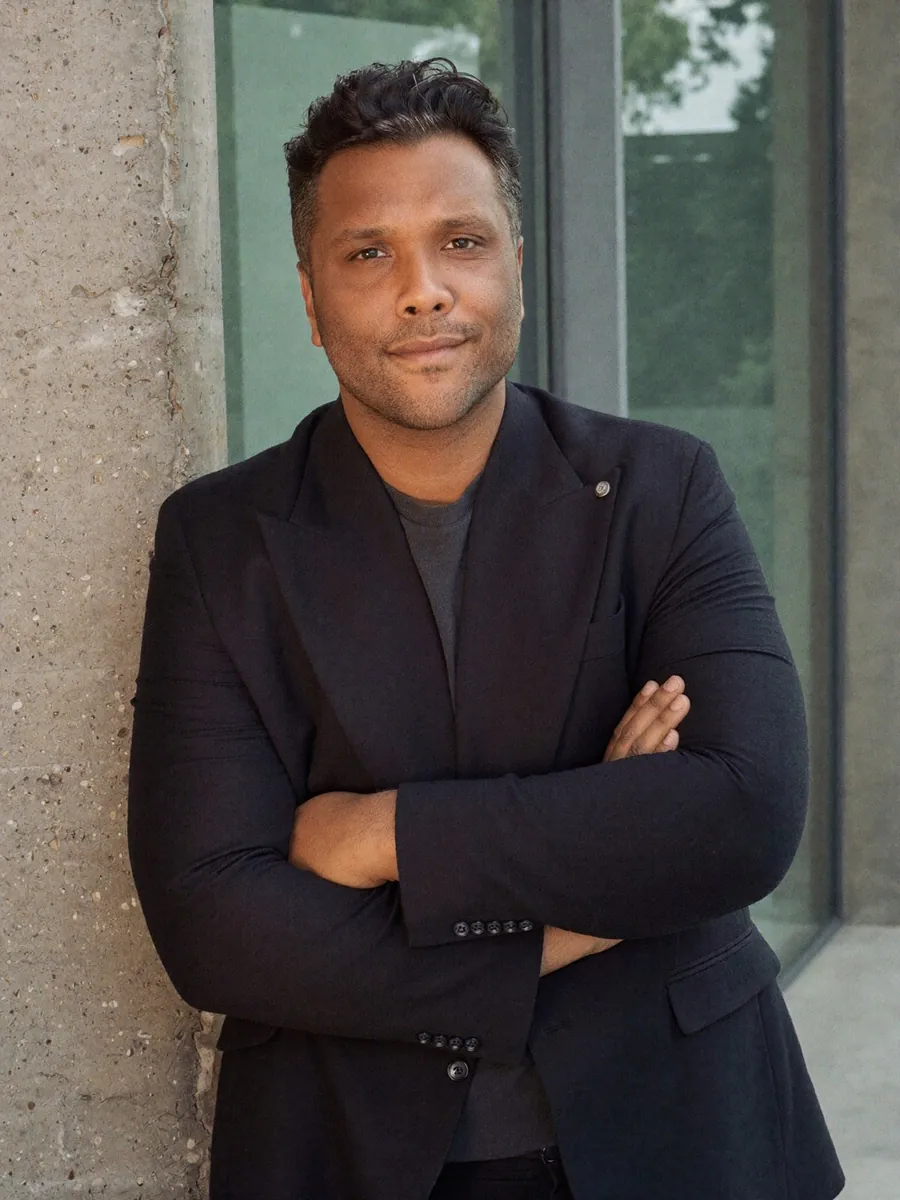
The person doing the work
Twenty years in the C-suite, three companies sold, three FT100 listed businesses. No account manager, no delivery team, no handover: the person who sits in your board meeting is the person on this page.
The full recordYour meetings, your ledgers, your bank. One of the team, not a visitor.
Month end lands in days, and stays there, with AI doing the repetitive work underneath.
Packs, forecasts and the hard questions, owned by name.
One or two days a week, no notice period, no equity.
If you need someone in the building five days a week, you need a full time CFO, and you should hire one. If you want the accounts filed rather than the money owned, an accountant is cheaper and better at it. This is for companies with something real to decide about money and nobody senior enough to decide it.
Do you need a CFO yet? Five questions.
0 of 5 answered.
Owns the money. The budget, the forecast, the controls, the board reporting, the raise and the growth plan. Same responsibility as a full time CFO, one or two days a week instead of five.
A bookkeeper records what happened. An accountant files it. You need a CFO the moment somebody has to decide what happens next with the money: a raise, a hire wave, a pricing change, a sale.
One or two. Enough to own the numbers and sit in the meetings that matter, without the cost of a full time hire.
Yes. The accountant keeps doing the accounts. The CFO work sits above it: what the numbers mean and what you do about them.
That is the job: the model, the deck, the data room, the diligence and the room itself. Hayat has been through it as principal, including to exit.
You stop. No notice period, no equity, no lock in.

“Our $30M round needed someone who understood valuation and the tactics behind a raise.”
These publications have written about Hayat